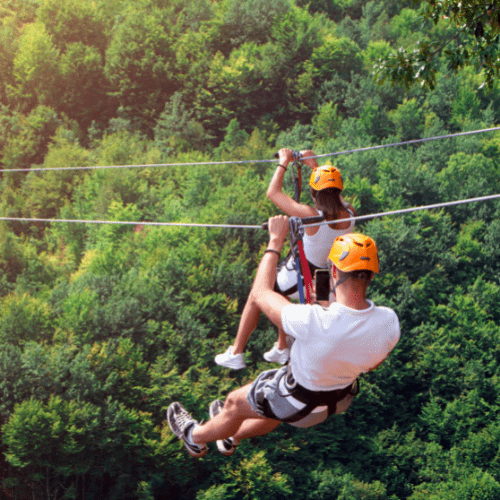
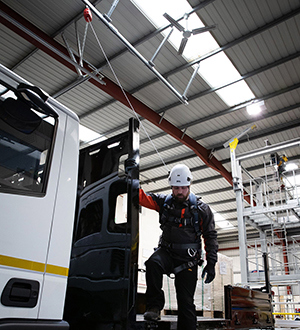
A well-designed zipline can turn an ordinary outdoor property into an exciting destination for adventure and recreation. Resorts, campsites, adventure parks, eco-tourism facilities, and other attractions can use zipline systems to give visitors a memorable way to experience their surroundings. However, the quality of the attraction depends heavily on the planning, equipment, construction, and ongoing care behind it. For this reason, choosing a dependable zipline contractor supplier Philippines is an important decision for property owners and project developers. A professional supplier can help coordinate the technical elements required to develop an appropriate system for a particular location. From site assessment and equipment selection to installation and maintenance, every stage requires careful attention to detail. Understanding these considerations can help businesses make informed decisions when developing a zipline attraction.
Why Professional Zipline Services Are Important
A commercial zipline is a specialized recreational structure that requires careful coordination between equipment, structural components, and operating procedures. Simply purchasing a cable and trolley does not provide everything needed for a complete attraction. The system needs suitable support structures, anchors, rider equipment, braking arrangements, access platforms, and procedures for safe operation. Professional contractors understand how these elements should work together within the conditions of a specific site. They can also help identify potential problems before construction begins. This can be particularly valuable for property owners who do not have previous experience developing aerial adventure attractions.
A qualified zipline contractor supplier Philippines can potentially provide services across several stages of a project. Depending on the provider, these services may include site assessment, design coordination, equipment supply, fabrication, installation, inspection, testing, operator training, and maintenance. Having several services handled by one experienced contractor can simplify communication and project management. It also provides a clearer line of responsibility when questions arise about equipment compatibility or installation. Owners should always confirm the exact services included in the proposal before work begins. A detailed scope of work can help ensure that the project progresses according to realistic expectations.
Starting With a Detailed Site Assessment
The location of a zipline is one of the biggest factors affecting its design. A contractor needs to evaluate the property’s elevation, terrain, available space, vegetation, existing structures, and surrounding obstacles. The proposed route must be examined carefully to determine where the cable, launch platform, landing area, and support structures can be positioned. Access for construction crews, maintenance personnel, and emergency responders should also be considered. Environmental conditions such as rain, wind, humidity, and exposure to sunlight can influence material selection and maintenance requirements. A professional site assessment gives the project team information needed to develop a system appropriate for the location.
A site assessment can also reveal challenges that are not immediately obvious. Trees may interfere with cable clearances, while existing buildings or utilities can restrict possible routes. Steep or unstable terrain may require additional structural planning. Visitor pathways and other attractions should be positioned so that they do not interfere with zipline operations. The landing area should provide sufficient room for riders and staff to manage the end of each trip. Emergency procedures should be considered during the design stage rather than added later. These details demonstrate why a customized site assessment is preferable to simply purchasing a preconfigured system.
Choosing Appropriate Zipline Components
The components used in a zipline should be selected according to the system’s design and intended operating conditions. Major components can include the main cable, anchors, structural supports, trolleys, harnesses, helmets, connection devices, braking systems, platforms, and rescue equipment. Each component serves a different purpose, but all of them need to work together. The supplier should be able to provide specifications and manufacturer information for critical equipment. Owners should also understand the intended use and inspection requirements of the products they purchase. Choosing equipment based only on price can create problems when components are not appropriate for the complete system.
The outdoor environment of a Philippine installation deserves special consideration. Frequent rainfall and high humidity can affect exposed metal components and other equipment if maintenance is neglected. Regular inspection can help identify corrosion, wear, loose hardware, deformation, or other potential concerns. Technical guidance for zipline systems recommends checking cables, structural supports, trolleys, clamps, and other critical components before operation. (adventureparks.com) Equipment should also be maintained according to manufacturer instructions and the requirements of the specific system. A knowledgeable supplier can help the owner understand which components require routine inspection and what conditions may require replacement or repair.
Understanding Structural Requirements
The structural elements supporting a zipline are just as important as the visible riding equipment. Depending on the site, a system may require platforms, towers, poles, anchors, foundations, stairs, railings, and other structural components. These elements need to be designed and installed according to the requirements of the specific site and system. Structural planning should account for the loads associated with the installation and its intended use. The contractor should coordinate structural work with the cable and equipment configuration. This prevents the project from treating the supporting structures and zipline equipment as separate systems.
The surrounding ground conditions can also influence structural decisions. Soil characteristics, slopes, drainage, and access conditions may affect the construction approach. Existing structures may need to be evaluated before being considered as support points. Owners should not assume that a tree, building, or other structure is suitable for supporting a zipline simply because it appears strong enough. Appropriate technical assessment is needed before incorporating existing features into the design. Careful structural planning can help create a more dependable installation and reduce the likelihood of expensive modifications during construction.
Safety Standards and Contractor Credentials
Safety should be evaluated at every stage of a zipline project. Project owners should ask potential suppliers which technical standards and procedures guide their design, equipment selection, installation, inspection, and operation. Adventure-course organizations such as the Association for Challenge Course Technology have established standards that are referenced by some adventure facilities. A Philippine adventure education facility has reported accreditation related to ANSI/ACCT standards for its adventure facilities. (rafi.org.ph) This demonstrates the value of asking specific questions about standards instead of relying on general claims about safety. The standards and regulations applicable to each project should be determined according to its design, location, and intended use.
Contractor credentials should also be checked before construction begins. The Construction Industry Authority of the Philippines explains that contractors, including specialty contractors, must secure the appropriate PCAB license before engaging in contracting business. (construction.gov.ph) Owners should verify whether the contractor has the required credentials for the proposed work. They should also examine the experience and qualifications of the personnel assigned to the project. Relevant experience with adventure facilities can provide useful evidence that the contractor understands the challenges involved. Proper due diligence helps owners make a more informed choice before committing their budget.
Professional Installation and Commissioning
Installation requires careful attention because even quality equipment can perform incorrectly when it is improperly assembled. The cable, anchors, trolleys, braking system, platforms, and rider equipment must be installed according to the approved design and applicable manufacturer requirements. Installation teams should understand the technical requirements of the equipment they are handling. Once construction is completed, the system should undergo appropriate inspection and testing before being opened to visitors. Any identified issues should be addressed before regular operations begin. Documentation of installation and testing can also provide valuable information for future maintenance.
Commissioning should include more than simply confirming that the trolley moves along the cable. Operators should understand how the system is supposed to function under normal operating conditions. Staff should receive appropriate training on rider preparation, equipment checks, communication procedures, loading and unloading, weather considerations, and emergency response. Operating personnel should also know when the attraction should be taken out of service. Some Philippine adventure providers offer operator and staff training as part of their broader aerial adventure services. (campsitephilippines.net) Proper commissioning gives the facility team a stronger foundation for responsible operation.
Developing an Effective Maintenance Program
Maintenance should be planned before the first visitor rides the zipline. Outdoor equipment is exposed to weather while mechanical components may experience repeated loads and movement during daily operation. Cables, trolleys, braking systems, anchors, harnesses, helmets, platforms, and structural connections should be inspected regularly. The appropriate inspection schedule depends on the equipment, manufacturer instructions, usage levels, environmental conditions, and applicable standards. Operators should maintain written records of inspections and repairs. These records can help identify recurring issues and track the history of critical components.
A maintenance program should also explain how damaged equipment is handled. Components that do not meet the required condition should be removed from service until they have been appropriately evaluated. Replacement parts should be compatible with the original system and installed according to manufacturer requirements. Severe weather events may warrant additional inspections before the facility resumes operation. Staff should also receive refresher training when procedures change or new employees join the team. A contractor that provides continuing maintenance support can be a valuable resource for keeping the facility operational over time.
Evaluating a Zipline Contractor Supplier Philippines
When comparing suppliers, owners should look at the complete service offering rather than focusing on equipment prices alone. Ask whether the contractor can conduct a site assessment and assist with the design. Determine whether installation, testing, operator training, and maintenance are included. Request information about the experience of the company and the personnel who will perform the work. Ask for relevant documentation covering equipment specifications and applicable standards. These questions can help distinguish a specialized contractor from a general equipment reseller.
Communication is another important factor. A contractor should be willing to explain technical requirements in language that project owners and managers can understand. Quotations should clearly identify the materials, services, exclusions, project assumptions, and expected deliverables. Warranty terms should be reviewed carefully, particularly for critical components. Owners should also ask how replacement parts and technical support will be handled after installation. A supplier that offers responsive long-term support may provide greater practical value than one that disappears after completing the initial sale.
Comparing Project Costs and Value
Zipline project costs can vary significantly depending on the property’s conditions and the desired attraction. Cable length, elevation, number of lines, structural requirements, platforms, braking arrangements, rider equipment, transportation, and installation complexity can all affect pricing. A simple short line and a large multi-line adventure attraction may have completely different engineering and construction requirements. Because of these differences, owners should request customized quotations rather than relying on generic price estimates. A detailed proposal should explain what the supplier is providing and which items remain the owner’s responsibility.
The cheapest quotation should not automatically be considered the best choice. A low price may exclude engineering, testing, training, structural work, or maintenance support. Owners should compare the complete scope of each proposal to understand the actual value being offered. Long-term expenses such as inspections, replacement parts, repairs, and upgrades should also be considered. A quality installation supported by proper maintenance can be a more practical investment over its operating life. Evaluating total project value can help businesses make financially responsible decisions without compromising important technical requirements.
Where Ziplines Can Be Used in the Philippines
The Philippines has a strong environment for outdoor recreation, making ziplines suitable for various tourism and leisure properties. Resorts can add ziplines as an attraction alongside other recreational activities. Adventure parks can develop multiple lines as part of a larger aerial experience. Campsites can incorporate ziplines into organized outdoor programs where the facility design and operating procedures support their use. Eco-tourism destinations may use aerial attractions to give visitors a different perspective of natural landscapes. Corporate team-building facilities can also incorporate appropriately designed zipline systems into structured outdoor activities.
The design should always reflect the property’s intended purpose. A family resort may have different user requirements from an extreme adventure destination. Expected visitor volume can also affect staffing and maintenance needs. The facility layout should allow staff to manage riders efficiently while keeping maintenance and emergency access practical. Environmental considerations should be incorporated to minimize unnecessary impact on the surrounding property. When the attraction is planned around the actual site and audience, the zipline can become a natural part of the overall visitor experience.
Building a Long-Term Partnership With Your Contractor
A zipline is a long-term investment, so the relationship with the contractor should not necessarily end after installation. Ongoing technical support can be useful when components need servicing, replacement, adjustment, or inspection. A supplier familiar with the original installation can often understand its configuration more quickly than a company encountering the system for the first time. This can help streamline maintenance and troubleshooting. Owners should ask about post-installation services before signing the initial agreement. A clear support arrangement can provide greater confidence throughout the life of the attraction.
Long-term partnerships can also support future improvements. A facility may eventually add new lines, modify platforms, replace aging equipment, or improve operating procedures. A contractor familiar with the original system can help assess whether proposed changes are compatible with the existing design. Replacement components can also be sourced more efficiently when the supplier maintains accurate records of the installation. Regular communication allows operators to raise concerns before minor maintenance issues become larger operational problems. Choosing a supplier with continuing technical capability is therefore an important part of responsible project planning.
FAQ: Zipline Contractor Supplier Philippines
What is a zipline contractor supplier?
A zipline contractor supplier is a company that may provide equipment and specialized services for developing zipline installations. Depending on its capabilities, the company may handle site assessment, design coordination, equipment sourcing, construction, installation, testing, training, and maintenance. Project owners should verify the exact scope of services offered by each supplier. Some companies may focus primarily on equipment sales, while others provide complete project solutions. A written scope can clarify responsibilities. This makes supplier comparison easier and reduces potential misunderstandings.
What should I consider when selecting a zipline contractor?
Consider relevant experience, technical expertise, contractor credentials, equipment quality, installation capabilities, safety practices, documentation, warranty provisions, and after-sales support. Ask whether the contractor has worked on projects similar to yours. Review the company’s approach to site assessment and system design. Verify applicable licensing and compliance requirements. You should also ask how inspections, repairs, and replacement parts will be handled. A supplier should be evaluated on long-term value rather than initial price alone.
What equipment is required for a zipline?
A typical system can include a cable, anchors, structural supports, trolleys, connection devices, harnesses, helmets, braking equipment, platforms, access structures, and rescue equipment. The exact components depend on the design and intended application. Equipment needs to be compatible with the complete system. Manufacturer specifications should guide installation and maintenance. A professional contractor can help determine the appropriate equipment for the site.
Why is professional site assessment necessary?
A site assessment identifies terrain, elevation, obstacles, structural requirements, access limitations, and environmental conditions. These factors influence the location of the cable, platforms, anchors, and support structures. Assessment can also identify potential hazards before construction begins. It allows the contractor to develop a system around the property’s actual characteristics. This reduces the risk of costly changes later. It also helps ensure that maintenance and emergency access are considered from the beginning.
How important is zipline maintenance?
Regular maintenance is essential because the system is exposed to weather and repeated use. Critical components should be inspected according to manufacturer requirements and applicable procedures. Operators should monitor cables, trolleys, anchors, platforms, braking components, harnesses, and helmets. Inspection and maintenance activities should be documented. Additional checks may be appropriate following severe weather or unusual incidents. A qualified contractor can help establish maintenance procedures appropriate to the specific installation.
Do zipline contractors provide staff training?
Some specialized contractors provide operator training as part of their services. Training may cover equipment inspection, rider preparation, loading procedures, communication, emergency response, and operating rules. Owners should confirm whether training is included in the project quotation. Refresher training may also be useful when new staff members join the facility. Well-trained operators are an important part of responsible zipline management. Training requirements should be established before the attraction begins regular operations.
How can I compare zipline supplier quotations?
Compare the complete scope of each proposal instead of looking only at the final price. Review equipment specifications, structural work, installation, testing, training, warranty coverage, maintenance, and after-sales support. Identify exclusions and additional costs that may arise during construction. Ask each supplier to explain assumptions used in its quotation. Consider long-term operating expenses as well as the initial investment. This approach can help you identify the supplier offering the most appropriate overall value.
Takeaway
Choosing the right zipline contractor supplier Philippines is an important part of developing a dependable outdoor adventure attraction. A successful project requires careful site assessment, suitable equipment, sound structural planning, professional installation, appropriate testing, trained operators, and continuing maintenance. Property owners should investigate contractor experience, credentials, technical capabilities, safety practices, documentation, warranties, and after-sales support before making a commitment. Cost should be considered alongside quality and long-term operating requirements rather than used as the only selection criterion. A supplier capable of supporting the project from planning through maintenance can simplify coordination and provide valuable technical assistance over time. For resorts, campsites, adventure parks, and tourism destinations, a thoughtfully planned zipline can add an exciting dimension to the visitor experience. With the right professional partner and a strong focus on responsible operation, property owners can develop a zipline facility that is designed specifically for its environment and intended users.