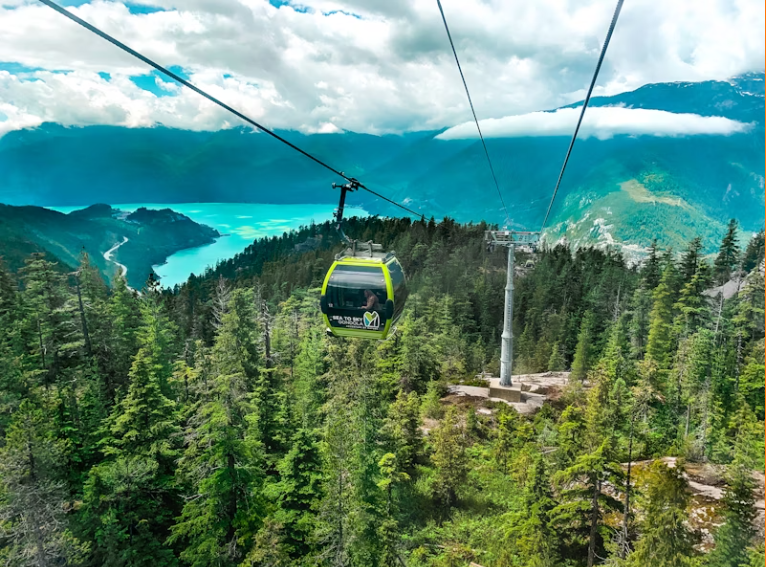
Accessing elevated structures, steep terrain, remote locations, and difficult work areas can require more than conventional equipment. Projects that involve cables, height, movement, and heavy loads call for careful engineering and a clear understanding of site conditions.
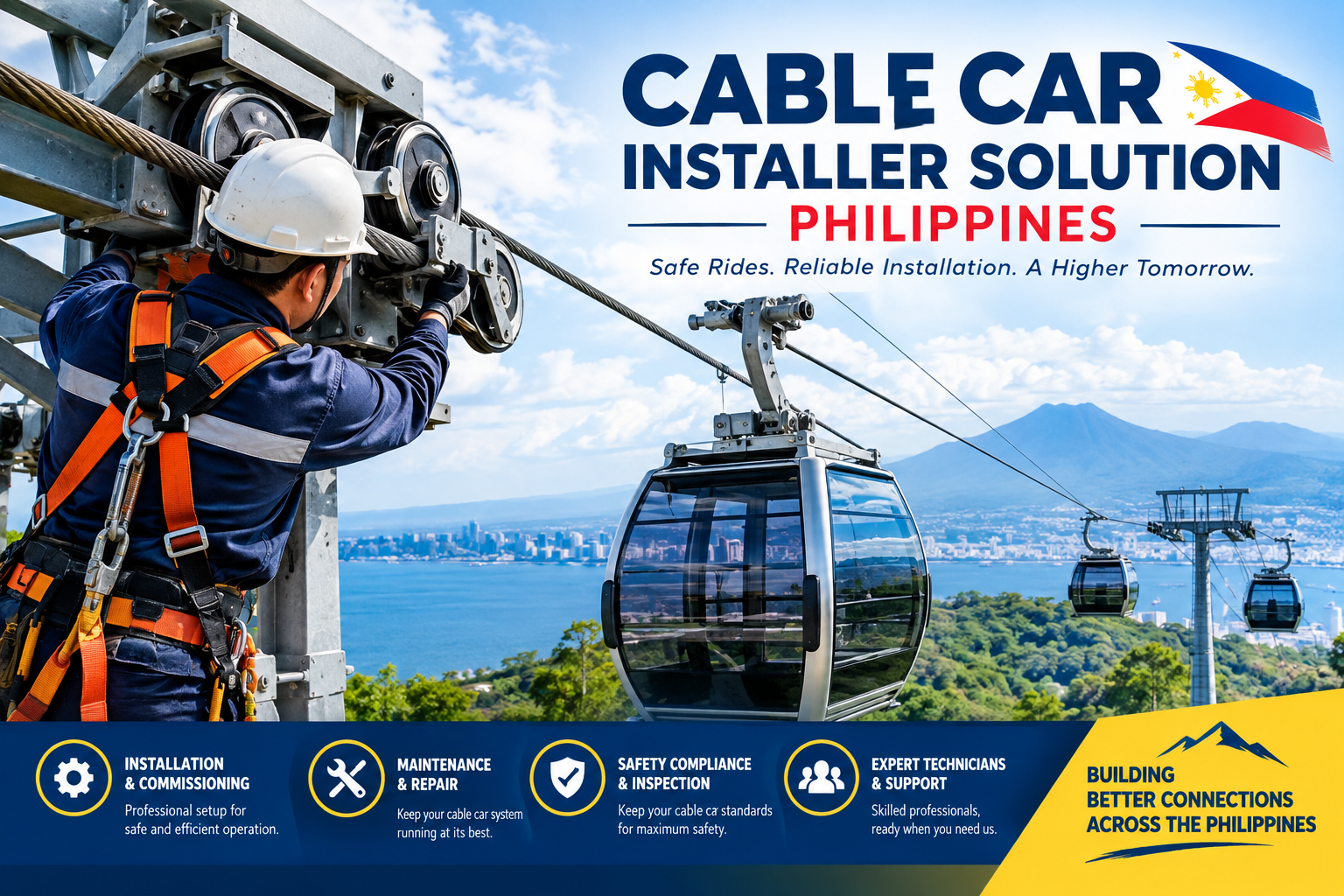
Ropeway access Philippines solutions can provide practical options for projects where controlled cable-based movement is required. Such systems may support personnel access, transportation, maintenance activities, tourism projects, industrial operations, and other specialized applications.
828 Cable System Inc. specializes in rope, height, and load engineering. The company was established within the Benedicto Steel Group to serve the rigging industry, with services covering wire-rope projects, Fall Protection, Height Access Solutions, Ropeway Engineering, and related technical requirements across the Philippines and Asia.
For project owners searching for ropeway access Philippines solutions, understanding how these systems work, where they may be useful, and what factors affect their design can help guide better project planning.
What Is Ropeway Access?
Ropeway access refers to a cable-based system designed to provide controlled movement across a defined route. Depending on project requirements, a ropeway may support the movement of people, equipment, materials, or specialized carriers.
A ropeway system typically involves cables or wire ropes, support structures, connection components, mechanical equipment, and other engineered elements. Each component has a specific role, and the overall system must work as a coordinated unit.
A professional ropeway access Philippines project should begin with an assessment of the site and its intended purpose. Terrain, distance, elevation, expected loads, route configuration, structural conditions, environmental exposure, and operational requirements can all affect system planning.
Ropeway access should also be distinguished from ordinary rope access. Rope access commonly refers to techniques used by trained workers who move or position themselves using ropes while performing inspection, maintenance, cleaning, or other work at height. Ropeway systems, by comparison, can support controlled movement along a cable route based on a project’s specific purpose.
Understanding this difference helps project owners select an appropriate solution rather than treating every height or access challenge as the same type of application.
Why Ropeway Access Matters for Philippine Projects
The Philippines has diverse terrain, from dense urban areas and elevated structures to mountainous regions, coastal locations, industrial sites, and tourism destinations. Certain project locations can present access challenges that make standard ground-based methods less practical.
A properly planned ropeway access Philippines system may provide an engineered route across areas where conventional access can be difficult.
Reaching Difficult or Elevated Locations
Some projects require access across steep slopes, large gaps, elevated structures, or areas with limited ground access. A cable-based system can create a defined movement route suited to the physical characteristics of a site.
Such systems may be considered for specialized construction activities, infrastructure projects, tourism developments, industrial facilities, and other applications requiring access across challenging terrain.
Supporting Controlled Movement
A ropeway can provide a planned path for movement rather than relying solely on conventional transportation or manual access methods.
The appropriate configuration depends on what the project needs to move and how the system will operate. Personnel, equipment, or materials may have different load and operational requirements, making engineering assessment essential before system selection.
Supporting Different Project Requirements
No two ropeway access Philippines projects are necessarily identical. A short route across a recreational site may have very different requirements from a specialized industrial system.
Factors such as route length, elevation changes, expected loads, operating frequency, structural support, environmental conditions, and intended use should be assessed before a system is designed.
Key Components of a Ropeway Access System
A ropeway system involves multiple components working together. The final configuration should be determined through project-specific engineering rather than a generic equipment selection process.
Wire Ropes and Cables
Wire ropes and cables serve as major components of many cable-based systems. Their selection depends on factors such as expected loads, route configuration, operating conditions, and system requirements.
Correct cable selection is essential for a reliable ropeway access Philippines solution. Cable specifications should match the engineering requirements of the application.
Anchors and Support Structures
Support structures help maintain the required cable route and provide the foundation for system operation. Their design may depend on existing structures, terrain, foundations, connection points, and anticipated loads.
A site assessment can help determine where supports may be positioned and what structural requirements need attention.
Carriers and Movement Components
Depending on the application, a ropeway may use carriers, trolleys, cabins, platforms, or other movement components.
The appropriate component depends on the intended purpose of the system. A passenger-oriented application may require a different configuration from a material transportation or specialized maintenance system.
Mechanical and Safety Components
Ropeway systems can include mechanical components associated with movement, tensioning, braking, connections, and control.
Safety-related components must match the system design and intended operation. Professional engineering assessment is particularly important when people, heavy equipment, or valuable materials are involved.
Load-Bearing Elements
Load engineering forms an important part of ropeway planning. The system must account for expected loads and operational conditions rather than relying solely on static weight calculations.
Dynamic effects, movement, environmental conditions, support locations, and operating procedures may also need assessment by qualified engineering professionals.
Ropeway Engineering vs. Standard Rope Access
The terms ropeway access and rope access can sound similar, but they describe different approaches.
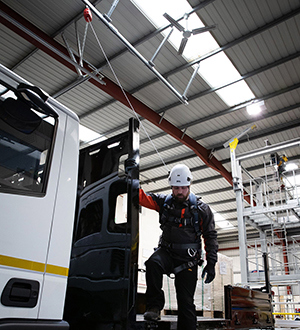
Rope access generally involves trained workers using ropes and associated equipment to reach or position themselves at height. Typical activities may include building maintenance, inspection, cleaning, repair, and specialized industrial work.
A ropeway system generally involves a cable route designed to support controlled movement. Its purpose can vary according to the project, with applications potentially covering transportation, access, recreation, industrial operations, and specialized site requirements.
This distinction matters when evaluating ropeway access Philippines requirements. A building that needs workers to inspect a facade may require a height access or rope access solution. A site requiring movement across a long cable route may call for ropeway engineering.
828 Cable System Inc. works across both Height Access Solutions and Ropeway Engineering, allowing project requirements to be assessed according to their actual application.
Applications of Ropeway Access Philippines Solutions
Ropeway systems can serve various sectors where cable-based movement offers a practical approach.
Construction and Infrastructure
Construction sites can feature elevated work areas, steep terrain, large structures, and locations where ordinary access routes may be limited.
A ropeway access Philippines solution may be considered where a project requires controlled movement across challenging terrain or between separated points.
Before implementation, engineers should assess site conditions, loads, structural requirements, access routes, installation methods, and operating procedures.
Industrial Facilities
Industrial facilities may have elevated structures, difficult-to-reach equipment, and areas where conventional access methods are inconvenient.
Cable engineering and height access solutions can support specialized requirements around industrial environments. The exact configuration depends on the equipment, structure, work activity, and operational conditions.
For industrial projects, ropeway access Philippines planning should form part of a broader access and safety strategy.
Tourism and Recreation
The Philippine tourism sector includes destinations featuring mountains, forests, elevated viewpoints, adventure facilities, and other locations where cable-based systems can provide unique transportation or recreational experiences.
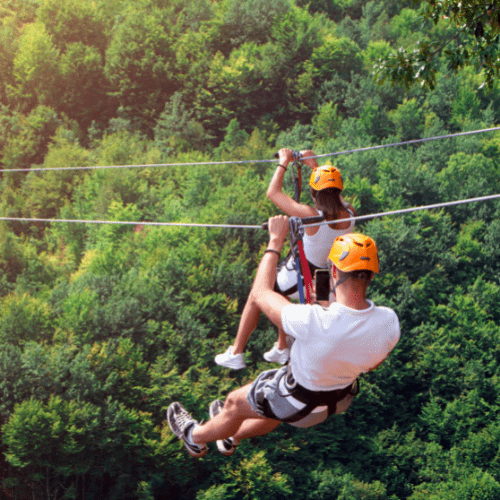
Ropeway and zipline systems require careful planning because their users, loads, routes, support structures, and operating conditions can vary considerably.
828 Cable System Inc. lists both Ropeway Engineering and Zipline Engineering among its service capabilities.
Building and Structural Maintenance
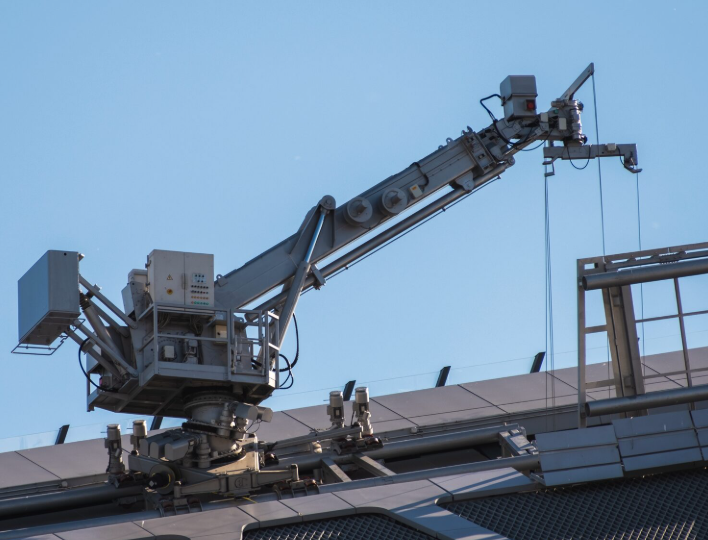
High-rise buildings and large structures can require specialized access for cleaning, inspection, repair, and maintenance.
While rope access and building maintenance systems may serve many of these requirements, ropeway concepts can also be relevant where a defined cable route is suitable for the task.
The correct solution should always be based on the structure, work scope, access requirements, and applicable safety considerations.
Remote and Challenging Terrain
Remote areas can create logistical challenges for conventional transportation. Mountainous terrain, steep slopes, and locations with limited road access may require alternative approaches.
A professionally designed ropeway access Philippines system may offer a route that follows the site’s terrain while providing controlled movement between designated points.
How 828 Cable System Inc. Approaches Ropeway Engineering
828 Cable System Inc. describes itself as a specialized engineering and service company focused on rope, height, and load engineering.
Its background within the Benedicto Steel Group connects the company with the rigging industry and wire-rope-related projects. Its listed services include Fall Protection, Height Access Solutions, Cable Engineering, Ropeway Engineering, Zipline Engineering, and Load Engineering.
This range of capabilities is relevant for complex projects because ropeway requirements can overlap with other technical disciplines.
A project may require cable engineering alongside load calculations. Another project may combine height access with fall protection. A recreational facility may require both ropeway and zipline engineering.
Rather than viewing each requirement separately, project planning can consider how the different systems relate to the site’s actual operational needs.
From Cable Engineering to Complete Ropeway Solutions
A ropeway project involves more than selecting a cable.
Engineers may need to evaluate:
- Cable route
- Span length
- Elevation
- Support locations
- Structural conditions
- Expected loads
- Movement requirements
- Environmental exposure
- Mechanical components
- Installation requirements
- Inspection requirements
- Maintenance requirements
- Operational procedures
Each factor can affect the final system.
For example, a route crossing a steep section of terrain may have different support and tension requirements from a system installed across a relatively level area. A system carrying equipment may also require a different design from one intended for passenger movement.
That is why ropeway access Philippines planning should start with a clear project assessment.
Ropeway Access and Related Height Access Solutions
Height access can involve many different systems and work methods. The appropriate solution depends on the structure, task, working position, access route, and safety requirements.
828 Cable System Inc. provides Height Access Solutions alongside Ropeway Engineering and Fall Protection.
These capabilities may be relevant for projects involving:
- High-rise structures
- Industrial facilities
- Elevated work areas
- Structural inspection
- Building maintenance
- Specialized construction work
- Difficult-to-reach locations
A ropeway access Philippines project may form part of a larger height access strategy. For example, a site could require a cable-based route for movement while separate fall protection equipment supports worker safety during specific tasks.
The correct arrangement depends on the project assessment.
Ropeway Engineering and Zipline Engineering: What Is the Difference?
Ropeway and zipline systems share certain technical principles, including the use of cables, support structures, controlled movement, and load considerations. Their purposes, however, can differ.
Zipline systems are commonly associated with recreational activities, adventure facilities, tourism destinations, and similar applications.
Ropeway systems can serve broader transportation or access requirements, depending on their design.
Both require careful consideration of route configuration, structural supports, cable requirements, loads, movement, operating conditions, and safety measures.
For businesses researching ropeway access Philippines solutions, understanding this distinction can help clarify which type of engineering service may suit a proposed project.
828 Cable System Inc. specifically lists both Ropeway Engineering and Zipline Engineering among its services.
What to Consider Before Choosing Ropeway Access in the Philippines
Choosing a ropeway system requires more than comparing equipment specifications. Project owners should first establish the conditions and goals that will guide engineering decisions.
Project Location and Terrain
Location can affect route planning, support placement, installation methods, and environmental exposure.
Important factors may include:
- Terrain profile
- Elevation
- Route distance
- Ground conditions
- Existing structures
- Accessibility for installation
- Weather exposure
A detailed site assessment can help identify technical considerations before design work begins.
Intended Use
The system’s purpose will strongly affect its configuration.
Will the ropeway support:
- Personnel movement?
- Material transportation?
- Equipment access?
- Maintenance work?
- Tourism?
- Recreation?
- Specialized industrial operations?
Clear answers can help engineers determine suitable system characteristics.
Load Requirements
Load engineering is a core consideration for cable-based systems.
Expected loads should be identified based on the intended use. Where applicable, engineers may also assess movement-related forces, operating conditions, support reactions, and other technical factors.
828 Cable System Inc. lists Load Engineering as part of its service offering, complementing its ropeway and cable engineering capabilities.
Structural Conditions
Existing buildings, towers, foundations, poles, and other support structures may affect system planning.
Engineers should determine whether proposed support locations are suitable for the anticipated loads and operating conditions.
Installation and Maintenance
Installation planning should be considered alongside system design.
A project may require specialized equipment, temporary access arrangements, lifting procedures, cable handling, testing, and commissioning.
Future maintenance should also be considered. Inspection points, access requirements, replacement procedures, and routine checks can affect the long-term practicality of the system.
Safety and Compliance Requirements
Safety should remain a central consideration throughout planning, installation, operation, and maintenance.
Project owners should work with qualified professionals who can assess the system according to applicable regulations, engineering requirements, manufacturer specifications, and project-specific standards.
Why Professional Ropeway Engineering Matters
Cable-based systems can involve significant structural and operational demands. Small design oversights may affect system performance, maintenance, or safe operation.
Professional ropeway engineering can help address key questions before installation begins:
- What route should the system follow?
- What support structures are required?
- What loads will the system carry?
- What cable configuration is appropriate?
- How will users or materials move?
- How will the system be installed?
- How will inspection and maintenance be performed?
- What safety measures are required?
A professional engineering process can help align these considerations with the actual project.
For ropeway access Philippines projects, this approach is especially useful when site conditions are complex or when the system will support critical operational activities.
Why Choose 828 Cable System Inc. for Ropeway Access Philippines Projects?
Selecting an engineering partner is an important step for projects involving ropes, cables, height, and loads.
Specialized Rope, Height, and Load Engineering
828 Cable System Inc. focuses on engineering challenges involving rope, height, and load requirements. Its stated service scope includes several closely related technical disciplines.
Wire Rope Industry Background
The company was founded within the Benedicto Steel Group to serve the rigging industry and handle wire-rope-related projects and services.
This background supports its positioning as a specialist service provider for cable and rigging-related engineering requirements.
Multiple Related Engineering Services
828 Cable System Inc. offers a broad service range covering:
- Fall Protection
- Height Access Solutions
- Cable Engineering
- Ropeway Engineering
- Zipline Engineering
- Load Engineering
This service combination can be valuable for projects where several technical requirements need to work together.
Philippine and Asian Project Coverage
The company states that it provides wire-rope-related services across the Philippines and throughout Asia.
For businesses seeking ropeway access Philippines support, this regional service capability provides a relevant starting point for project discussions.
Start Planning Your Ropeway Access Philippines Project
Ropeway systems can provide specialized solutions for sites where conventional access or transportation methods may not suit the terrain, elevation, route, or operational requirements.
A successful project starts with understanding the site and defining the intended use. Cable route, support structures, loads, movement, installation, maintenance, and safety requirements should all receive careful attention before system selection.
828 Cable System Inc. brings together Ropeway Engineering, Cable Engineering, Height Access Solutions, Fall Protection, Zipline Engineering, and Load Engineering under its specialized rope, height, and load engineering services.
For companies planning ropeway access Philippines projects, consulting a qualified engineering team can help establish the technical requirements and identify a suitable path toward project implementation.
Planning a ropeway access project in the Philippines? Contact 828 Cable System Inc. to discuss your ropeway, cable, height, and load engineering requirements.
Takeaway
Ropeway access Philippines solutions can provide a practical option for specialized projects involving difficult terrain, elevated locations, controlled movement, and cable-based transportation or access.
Successful ropeway projects require more than cable selection. Route planning, structural support, load requirements, movement, installation, maintenance, and safety considerations all play important roles.
828 Cable System Inc. specializes in rope, height, and load engineering, with services covering Fall Protection, Height Access Solutions, Cable Engineering, Ropeway Engineering, Zipline Engineering, and Load Engineering.
For businesses searching for ropeway access Philippines expertise, a project-specific engineering assessment can provide a sound starting point for determining the right cable-based solution.
Frequently Asked Questions About Ropeway Access Philippines
What is ropeway access Philippines?
Ropeway access Philippines refers to cable-based access or transportation systems designed for specific locations and project requirements across the Philippines. Depending on the design, such systems may support personnel, equipment, materials, tourism, recreation, industrial operations, or specialized access.
What is ropeway engineering?
Ropeway engineering covers the technical planning and design of cable-based systems. It can involve route assessment, cable selection, support structures, load requirements, movement characteristics, mechanical components, installation, inspection, and maintenance considerations.
What industries can use ropeway access systems?
Potential applications include construction, infrastructure, industrial operations, tourism, recreation, specialized maintenance, and projects located within difficult or remote terrain.
The appropriate application depends on site conditions and project requirements.
Is ropeway access the same as rope access?
No. Rope access generally refers to work-at-height techniques where trained personnel use ropes and associated equipment to reach or position themselves for tasks such as inspection, cleaning, repair, or maintenance.
Ropeway access generally refers to a cable-based system designed for controlled movement along a defined route.
What factors affect ropeway system design?
Several factors can affect design, including terrain, route length, elevation, expected loads, structural support, intended use, operating conditions, environmental exposure, installation requirements, inspection needs, and maintenance access.
Does 828 Cable System Inc. provide ropeway engineering services?
Yes. 828 Cable System Inc. lists Ropeway Engineering as one of its core service areas. Its broader service scope also includes Cable Engineering, Height Access Solutions, Fall Protection, Zipline Engineering, and Load Engineering.
Does 828 Cable System Inc. provide zipline engineering?
Yes. Zipline Engineering is listed among the company’s services alongside Ropeway Engineering and other cable-related engineering capabilities.
Where does 828 Cable System Inc. provide its services?
The company states that it handles wire-rope-related projects and services across the Philippines and throughout Asia.